
Premios Nacionales de Investigación de Cataluña 2025
· Luis Serrano Pubul (CRG)
· Katherine Villa (ICIQ)
Os presentamos ICREA’t, el portal de divulgación de la investigación hecha por los ICREAs.
LuxQuanta recauda 8 millones de euros para implementar soluciones de ciberseguridad cuántica
Premios Nacionales de Investigación 2025
· Josep Dalmau Obrador (FRCB-IDIBAPS)
· Carme Rovira i Virgili (UB)
· Arnau Sebé-Pedrós (CRG)
RESULTADOS DESTACADOS
Towards the next generation of nanobiosensors
Merkoçi, Arben (ICN2)
Engineering SciencesAre memories containing multiple sensory modalities better remembered than single-modality ones?
Soto-Faraco, Salvador (UPF)
Social & Behavioural SciencesExtremely massive stars forged the Universe’s oldest star clusters
Gieles, Mark (UB)
Experimental Sciences & MathematicsHow colorectal cancer liver metastasis evade the immune system
Batlle Gómez, Eduard (IRB Barcelona)
Life & Medical SciencesA 3D-printable, general-purpose, sustainable insulator
Gómez Fernández, Javier (IBEC)
Life & Medical SciencesRedrawing Early Neolithic Settlement Maps and Movement pathways in Les Coves Llongues
Domingo Sanz, Inés (UB)
HumanitiesEvidence of a completely different coding of memories in humans
Quian Quiroga, Rodrigo (HMRIB)
Life & Medical SciencesNaming the Disease and Experiencing the Illness
Vidal, Fernando (URV)
Humanities
ICREA ES UN INSTRUMENTO DEL GOBIERNO CATALÁN
ICREA es una institución publica financiada al 100% por la Generalitat de Catalunya.
ICREA es una institución abierta. Trabaja codo con codo con las universidades y centros de investigación catalanes para integrar a los profesores de investigación ICREA en el sistema de investigación catalán.
ICREA ofrece puestos permanentes y titulares a investigadores de todo el mundo para que vengan a trabajar a Cataluña.
A lo largo de los años, estos puestos se han convertido en sinónimo de excelencia académica mundial.

COMUNIDAD ICREA
Los Profesores de Investigación de ICREA forman una vibrante comunidad de científicos e investigadores en todas las áreas del conocimiento que contribuyen al avance de la humanidad explorando, interpretando y cuestionando.
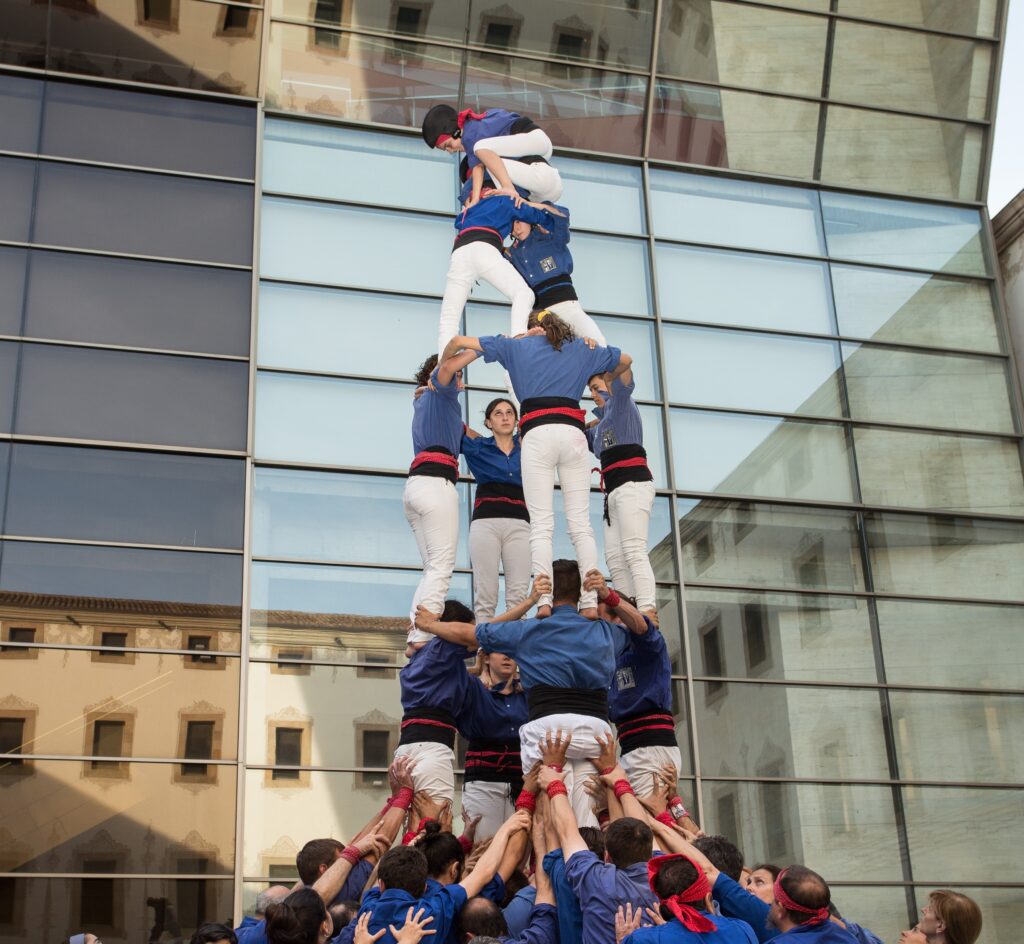
UNIVERSIDADES Y CENTROS DE INVESTIGACIÓN EN CATALUÑA
ICREA no tendría sentido sin la densa red de instituciones anfitrionas que participan activamente en la investigación en Cataluña.
LOS NUEVOS ICREAs
ICREA es una comunidad en expansión. Cada año, nuevos investigadores e investigadoras se incorporan a ICREA tras la convocatoria. Os presentamos a nuestras incorporaciones más recientes. Queremos darles a todos una muy cálida bienvenida a la comunidad ICREA: Benvinguts!
INFORME ANUAL
Estos informes de investigación resumen el trabajo realizado durante un año.
Las publicaciones son la parte más visible de la investigación, pero también hay que tener en cuenta otros elementos que muestran la contribución de nuestros investigadores a la mejora del sistema catalán de I+D: creación de nuevos equipos de investigación y apertura de nuevas líneas de investigación, consolidación de equipos y áreas de investigación ya existentes, tutorización de tesis doctorales, docencia en todos los niveles académicos, etc.