Premis Nacionals de Recerca 2025
· Luis Serrano Pubul (CRG)
· Katherine Villa (ICIQ)
Premios Nacionales de Investigación 2025
· Josep Dalmau Obrador (FRCB-IDIBAPS)
· Carme Rovira i Virgili (UB)
· Arnau Sebé-Pedrós (CRG)
RESULTATS DESTACATS
A light-curable bioadhesive to prevent infection
Aparicio Badenas, Conrado (UPC)
Engineering SciencesAre memories containing multiple sensory modalities better remembered than single-modality ones?
Soto-Faraco, Salvador (UPF)
Social & Behavioural SciencesNaming the Disease and Experiencing the Illness
Vidal, Fernando (URV)
HumanitiesIt’s not just an impression: words for “rough” things do use “r”!
Dediu, Dan (UB)
Humanities"Where go, huh?" Young children's use of huh challenges assumptions about language development
Wiltschko, Martina (UPF)
HumanitiesTrustworthy public randomness from loophole-free Bell tests
Mitchell, Morgan W. (ICFO)
Experimental Sciences & MathematicsA new network to detect the echoes of the hidden Universe is taking shape
Blas Temiño, Diego (IFAE)
Experimental Sciences & MathematicsWhen lost giants were the architects of Neotropical forests
Rivals, Florent (IPHES)
Humanities
ICREA ÉS UN INSTRUMENT DEL GOVERN CATALÀ
ICREA és una institució pública, finançada al 100% per la Generalitat de Catalunya.
ICREA és una institució oberta. A ICREA treballem braç a braç amb les universitats i centres de recerca catalans per a integrar els professors investigadors d’ICREA al sistema de recerca català.
ICREA ofereix contractes permanents per venir a treballar a Catalunya a investigadors d’arreu del món.
Amb els anys, aquests llocs han arribat a ser sinònim d’excel·lència acadèmica escala mundial.

COMUNITAT ICREA
Els Professors d’Investigació ICREA formen una comunitat dinàmica de científics i investigadors en totes les àrees del coneixement que contribueixen al progrés de la humanitat amb els seus estudis, interpretacions i preguntes.
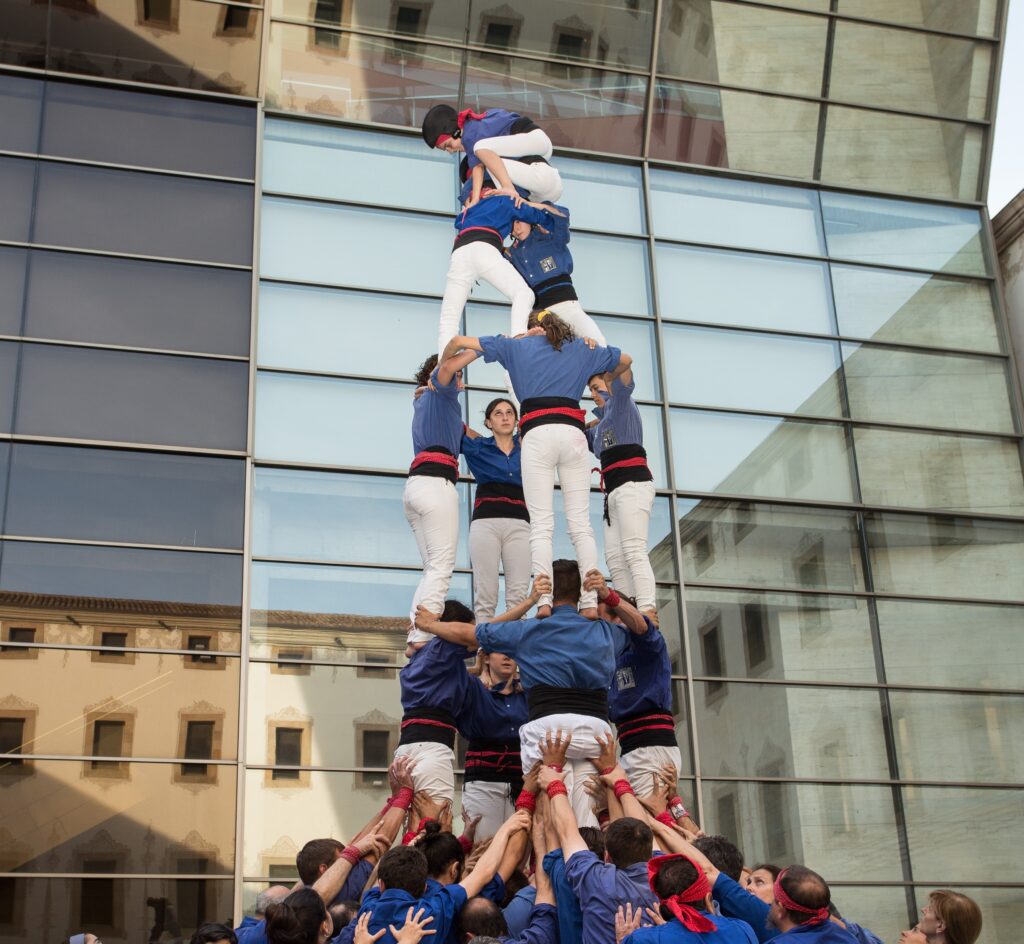
UNIVERSITATS I CENTRES DE RECERCA DE CATALUNYA
ICREA no tindria cap sentit sense la densa xarxa d’institucions d’acollida que participen activament en la recerca a Catalunya.
ELS NOUS ICREAs
ICREA és una comunitat en expansió. Cada any, tot seguit la resolució de la convocatòria, nous investigadors i investigadores s’incoporen a ICREA . Aquestes són les incorporacions més recents. Volem donar-los una càlida benvinguda a la nostra comunitat. Benvinguts!
Barriobero Vila, Pere
Engineering Sciences
Universitat Politècnica de Catalunya (UPC)
I work on the design of smarter, stronger, and more sustainable metals for the technologies of tomorrow. For this, I use advanced manufacturing, 3D printing and microstructure engineering, supported by laboratory and synchrotron techniques, to watch how metals transform in real time.
INFORME ANUAL
Aquests informes de recerca resumeixen el treball realitzat durant un any.
Tot i que les publicacions són sovint la part més visible de la recerca, les nostres ‘memoirs’ dediquen molt espai als altres eltres elements que mostren la contribució dels nostres investigadors a la millora del sistema català de R+D: creació de nous equips d’investigació i obertura de noves línies de recerca, consolidació d’equips i àrees de recerca ja existents, direcció de tesis doctorals, d’ensenyament en tots els nivells acadèmics, etc.
És per això que les informes inclouen no només la producció científica dels nostres investigadors, sinó també el seu impacte més ampli en el sistema de recerca.